

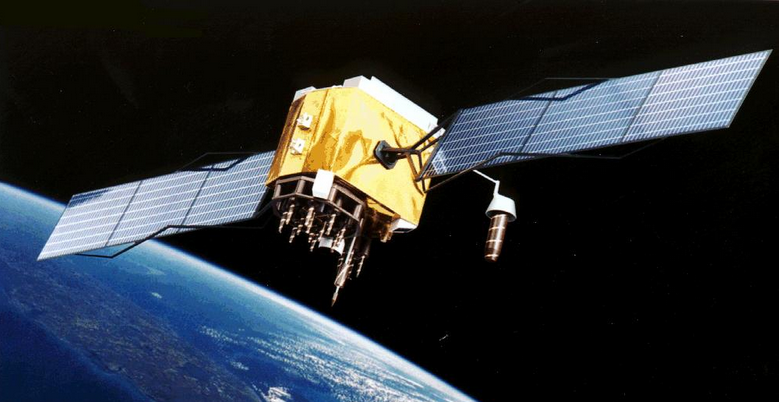
According to the Wall Street Journal, a WSJ representative has learned that Google plans on investing in 180 low-orbiting satellites to spread internet access to areas that are “unwired”. Google is said to have met with Space Systems/Loral LLC engineers to begin this process.
[WSJ Excerpt]
–“O3b, in which Google was an early investor, has been working on providing broadband Internet connectivity from satellites weighing about 1,500 pounds each. O3b has been planning to launch about a dozen satellites, aiming to serve large areas on either side of the equator.
Google hopes to cover the entire globe with more, but smaller, satellites weighing less than 250 pounds, the people familiar with the project said.
Jamie Goldstein, an O3b director and a partner at North Bridge Venture Partners, which backs the company, said he couldn’t comment on what Mr. Wyler is working on, citing a nondisclosure agreement with Google. An O3b spokeswoman didn’t respond to requests for comment.
During a conference in March, Google CEO Mr. Page mused about spanning the globe with Internet access delivered by Project Loon. “I think we can build a world-wide mesh of these balloons that can cover the whole planet,” he said, noting that they are cheaper and faster to launch than satellites.
But satellites are more flexible and provide greater capacity. In recent years, costs to build and launch satellites have dropped sharply, according to Neil Mackay, CEO of Mile Marker 101, an advisory firm.
Consultant Mr. Farrar estimated that 180 small satellites could be launched for as little as about $600 million.
If Google succeeds, it “could amount to a sea change in the way people will get access to the Internet, from the Third World to even some suburban areas of the U.S.,” said Jeremy Rose of Comsys, a London-based satellite consulting firm.”–
With the growing increase of NSA and data breach concerns we find it hard to believe if everyone agrees with this move by Google; we certainly think it is a good move.Why? Well despite data concerns, in 2014 power houses such as Google have more than enough resources to acquire one’s data. So instead of worrying about the inevitable, let’s worry about giving global access to the internet. What do you think?
 Product Of Society