
Surprise, surprise. The U.S. House has finally passed a bill that would end DEA raids on legal medical marijuana operations. This is probably due to the conflicting state laws versus federal laws that are now existing as more states begin to decriminalize cannabis and allow medical shops to sell for profit.
[ TDC Excerpt Via Randy Robinson]
–“The bill, which passed 219-189, signals a paradigm shift in American politics. For nearly eight decades, Congress disapproved of cannabis use, even for medical reasons. The Republican Party has traditionally taken the most hostile stances against marijuana use, although Democrats have also been known to oppose pro-cannabis or tolerance legislation.
Before the customary floor debate, Rep. Earl Blumenauer (D-Ore.) stated, “The conflicting nature of state and federal marijuana laws has created an untenable situation. It’s time we take the federal government out of the equation so medical marijuana business owners operating under state law aren’t living in constant fear….”
The conflict between state and federal law recently arose when customs agents in Kentucky confiscated tons of hemp seed meant for the state’s newly approved hemp industry. Hemp, a non-psychoactive form of cannabis, was given the green-light for agricultural cultivation by a number of states. In February, President Obama signed the 2014 farm bill which allowed hemp farming in states that permitted it.
In previous years, the DEA also unnecessarily raided dozens of medical cannabis operations under the pretense of federal – not state – laws.
Currently, the federal government considers cannabis and its phytocannabinoids to be Schedule I substances according to the Controlled Substances Act. Schedule I substances are supposed to be “highly addictive” with “no accepted medical value,” and this classification includes dangerous drugs like heroin. Methamphetamines and cocaine, by contrast, are classified as Schedule II, which means the feds consider them addictive but they have some accepted medical value. Individual states recognize the plant under a variety of separate schedules; some don’t schedule it at all.
The House debate on Thursday night exemplified this ongoing dialogue regarding legal cannabis. Three medical doctors took to the House floor, discussing the benefits and negatives of restricting the DEA’s ability to go after state-approved cannabis businesses. Rep Paul Broun (R-Ga.) argued in favor of the amendment; Rep. Andy Harris (R-Md.) argued against it.
Harris cited a DEA study which suggested “medical” cannabis does not exist, despite there being over 1,000 published peer-reviewed articles which demonstrate the plant’s medical efficacies. “This would be like me as a physician saying, ‘I think you need penicillin. Go chew on some mold,’” Harris said as quoted by Buzz Feed, echoing a popular anti-cannabis argument that plant isolates are not comparable to whole-plant therapies.
Broun insisted otherwise, stating there were “very valid medical reasons” to consume cannabis, even in its raw, unprocessed form. “It’s less dangerous than some narcotics that doctors prescribe all over this country,” Broun added, according to the Huffington Post.
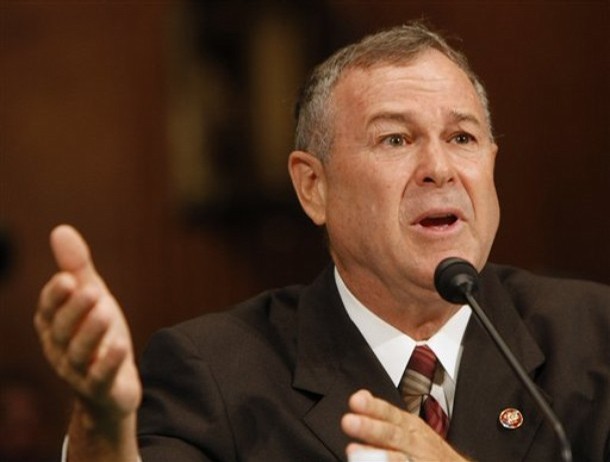
The bill defunds the DEA’s operations aimed at investigating and raiding medical cannabis business owners, employees and registered patients. California, the first state to legalize medical cannabis, has experienced more DEA raids than any other state. It’s no surprise, then, that the bill was sponsored by Dana Rohrabacher (R-Calif.).”–
Do you think this bipartisan bill is to get to conservatives on board with decriminalizing cannabis for election purposes? It’s interesting the see the mass change of bills and decriminalizing laws taken place now that it (marijuana) has been documented to make a substantial amount of revenue.
* If you appreciate our content please feel free to Like Us on Facebook*
 Product Of Society